6 Types of Pressure Indicators From a Pressure Gauge Supplier and Where Each Is Used
Precision pressure monitoring is at the heart of every regulated industry, from mining and manufacturing to laboratories and agriculture. For operations managers and quality assurance leads juggling compliance, safety, and efficiency, understanding the diverse range of pressure gauge types and sourcing them from an expert pressure gauge supplier serving Sydney, NSW, is essential for long-term equipment reliability and peace of mind.
Why Gauge Selection Matters: The Backbone of Industrial Measurement
Industrial processes rely on accurate pressure readings to meet safety and quality standards. Modern sites are complex, blending mechanical and digital systems and holding high expectations for consistency and repeatability. The type of pressure gauge used, be it Bourdon tube, digital, differential, or capsule, directly impacts calibration, measurement stability, compliance, and equipment life. Selecting the wrong type can introduce risk, while a tailored solution, supported by a knowledgeable pressure instruments supplier, streamlines compliance and operational performance.
Overview of Common Pressure Gauge Types
Before choosing a supplier, it helps to know your tools. Here’s a quick guide to the main types of pressure gauges, their strengths, and typical industry use cases:
1. Bourdon Tube Pressure Gauges
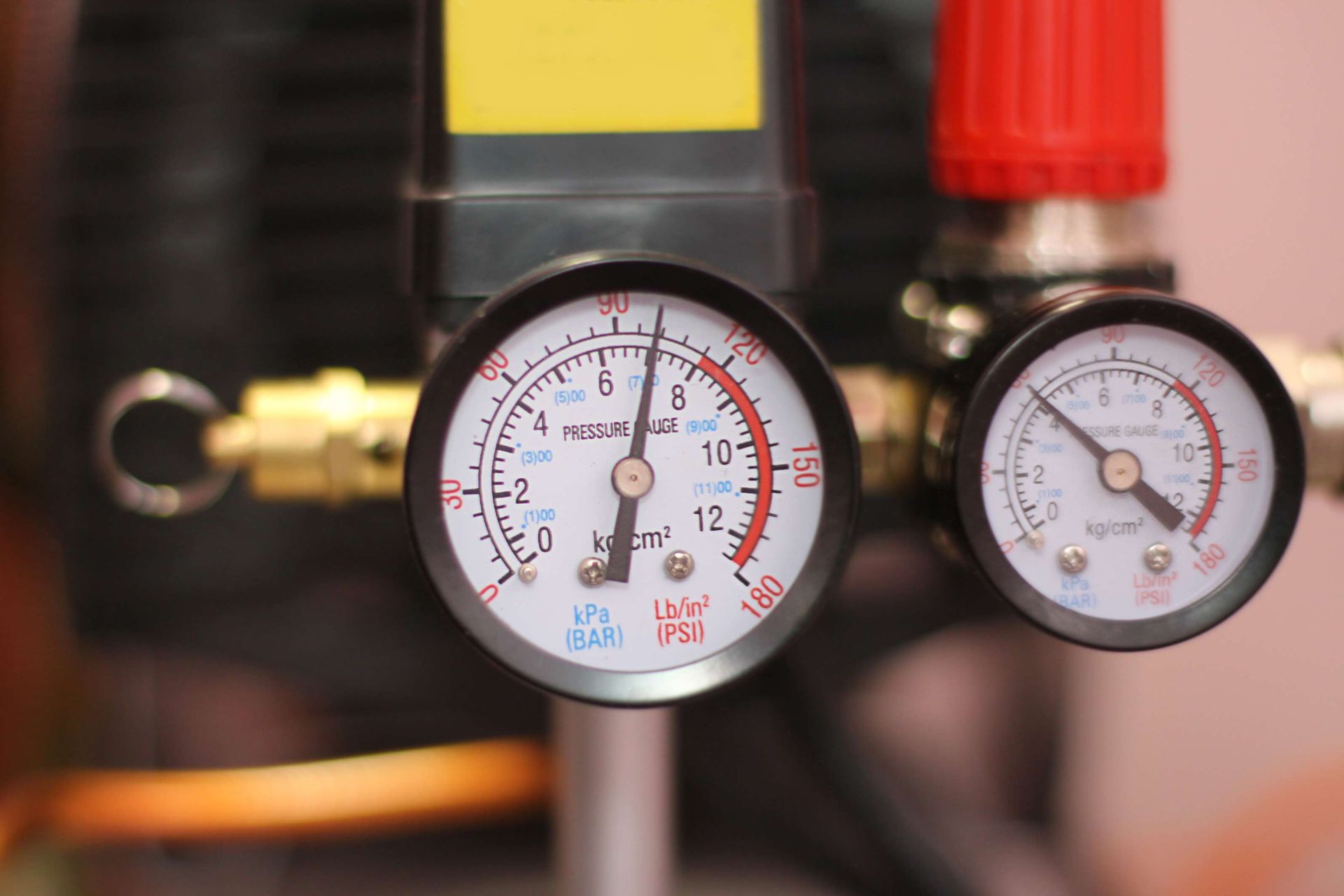
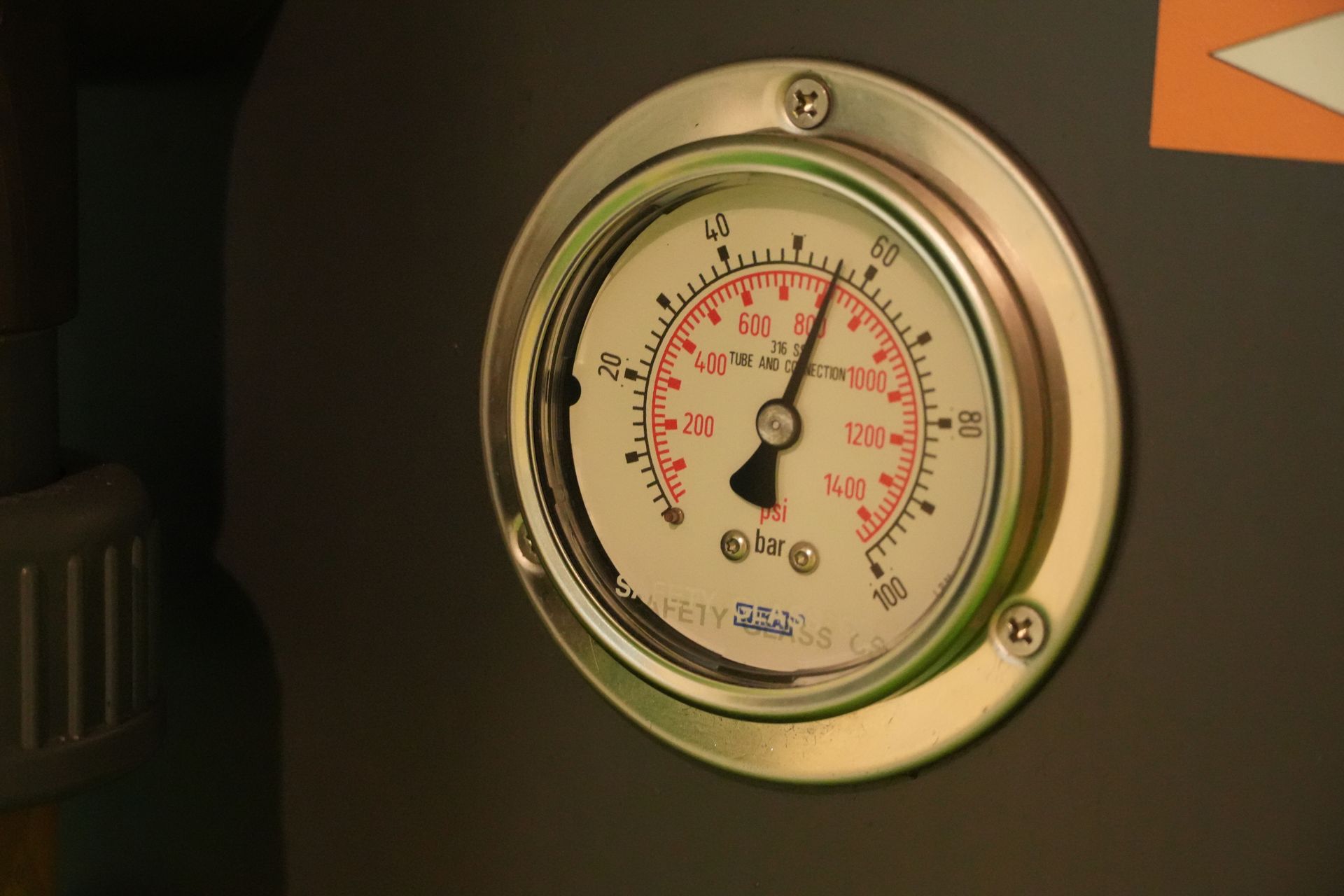
Bourdon tube gauges are the workhorses of industrial pressure monitoring. A popular purchase from a pressure gauge supplier, they offer robust mechanical construction and are suitable for a wide pressure range. These gauges suit harsh environments, mines, civil construction projects, and heavy industry for tasks like hydraulic system monitoring and compressor checks.
2. Diaphragm Pressure Gauges
Diaphragm gauges handle low pressure ranges with precision, including corrosive or viscous media. Chemical and food processing plants, laboratories, and wastewater treatment facilities use them because they deliver reliable, repeatable readings and are easy to clean. Their design minimises the risk of media contamination.
3. Differential Pressure Gauges
These gauges measure the difference between two points, making them essential for process filtration, ventilation systems, or fluid flow monitoring. Differential gauges help pinpoint failing components and maintain consistent flow in oil refineries, water treatment works, and HVAC systems.
4. Capsule Pressure Gauges
Capsule gauges provide sensitive measurement for low-pressure gases, ideal for applications in research laboratories or medical facilities. Their design captures pressure changes accurately, supporting controlled experiments or specialised production lines.
5. Digital Pressure Gauges
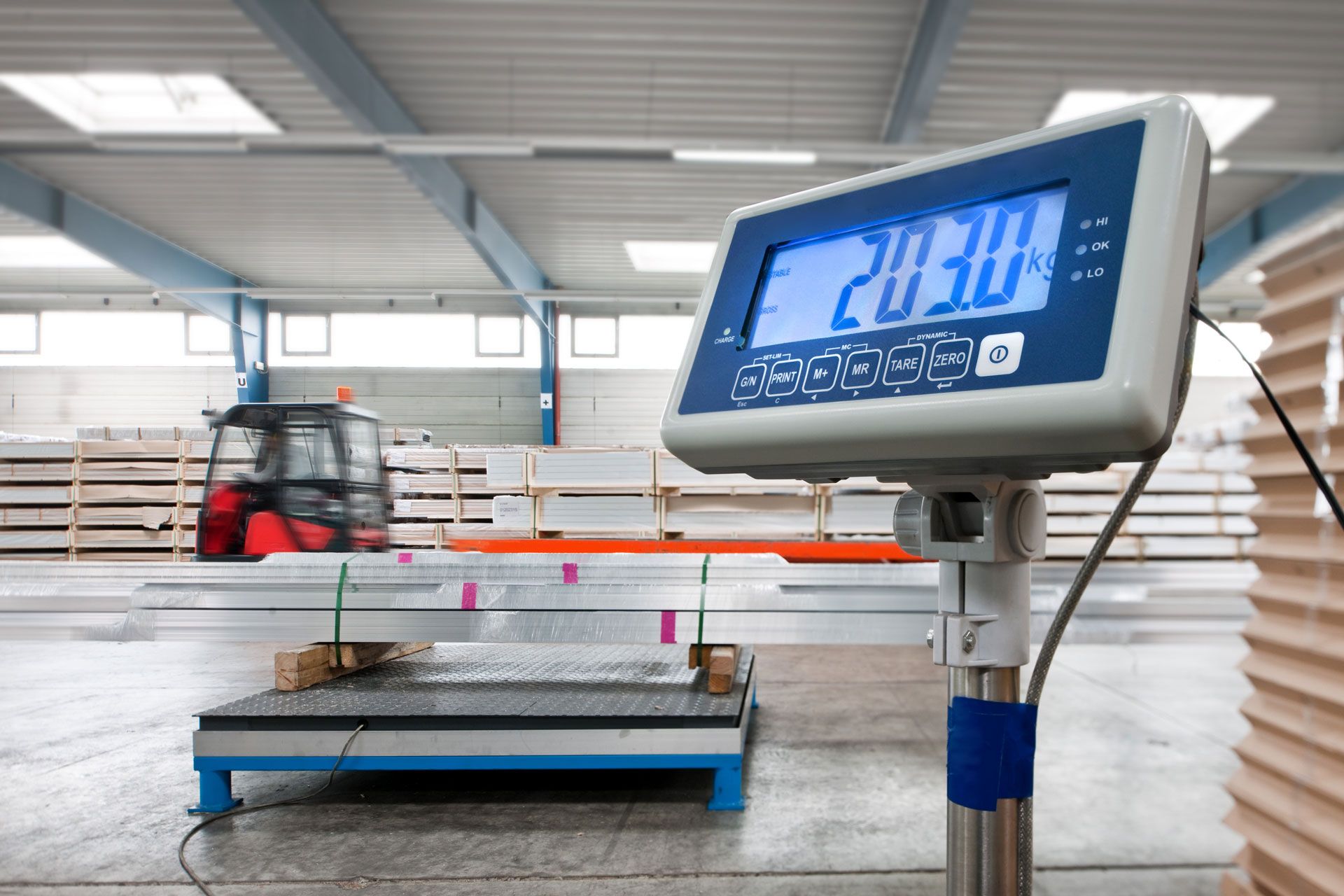
For ultimate precision and easy integration into modern control systems, digital gauges shine at a pressure gauge supplier. With features like data logging, remote monitoring, and simple calibration reminders, they support full traceability for manufacturing, pharmaceutical, and high-tech environments that require adherence to standards such as ISO/IEC 17025.
6. Compound Pressure Gauges
When a process needs to track pressures above and below atmospheric, compound gauges are the answer. They’re found in HVAC, refrigeration, and vacuum systems, where both positive and negative pressures play a role in system operation.
Key Factors in Choosing a Pressure Indicator Supplier for Sydney, NSW
Selecting the right pressure instrument supplier means more than a price comparison or ticking compliance boxes. Your preferred supplier should be equipped to support safety, reliability, and cost-effectiveness throughout the equipment’s life cycle.
Product Quality and Industry Standards: Not all gauges are created equal. For regulated industries, accuracy is non-negotiable. Choose a pressure gauge supplier offering products tested to meet Australian and international standards and who ensures calibration traceability, robust build quality, and material compatibility for intended applications. This confidence helps streamline NATA accreditation and ISO/IEC 17025 compliance checks.
Technical Expertise and Application Guidance: Every site has its quirks. Fluids, pressures, and hazards that make standard solutions impractical. A reliable pressure indictator supplier provides clear, jargon-free advice on product suitability and customisation, ensuring your gauges are fit for purpose, not just off-the-shelf. They will explain maintenance routines, potential failure risks, and lifecycle forecasting to support your audit trail.
Comprehensive Product Range and Availability: From compact panel gauges to large-dial field installations, a strong supplier maintains a broad selection: digital and analogue, differential and compound, sanitary and industrial. With flexibility and ready stock, operations teams are less likely to face costly downtime or lag in project delivery.
Compliance and Documentation Support: Traceable calibration records and detailed product documentation, including material certificates and NATA or ISO/IEC 17025 certification, are critical for audit requirements. Depend on your supplier to provide this as standard, reducing the legwork for your quality assurance lead when external audits roll around.
The Value of Experience and Partnership
A long-term relationship with an established pressure gauge supplier brings stability to your operation. Experienced suppliers offer proven support for installation and troubleshooting and remain vigilant for changes in standards or operating conditions. They can recommend upgrades, schedule calibration intervals, or advise on legislative shifts affecting industries across Australia.
Practical Tips for Engineering Managers and Quality Leads
• Map your measurement points and validate their pressure range and media compatibility before ordering.
• Consider future expansion or automation. Digital gauges increasingly allow for remote diagnostics and integration.
• Ensure staff are trained in visual inspection and reporting and that maintenance schedules are aligned with supplier recommendations and compliance best practice.
• Keep calibration certificates and compliance documents ready for NATA or client audits, and always request originals from your pressure instrument supplier.
Get Precision, Partnership, and Compliance From Our Pressure Gauge Supplier Today
Maintaining critical standards and minimising unplanned downtime comes down to choosing the right pressure indicator supplier for your operation. At PCS Measurement, we provide the technical guidance, industry knowledge, and service reliability that precision-focused sites require. If you’re seeking tailored, compliant, and robust pressure measurement solutions from a dedicated pressure gauge supplier, contact PCS Measurement today.